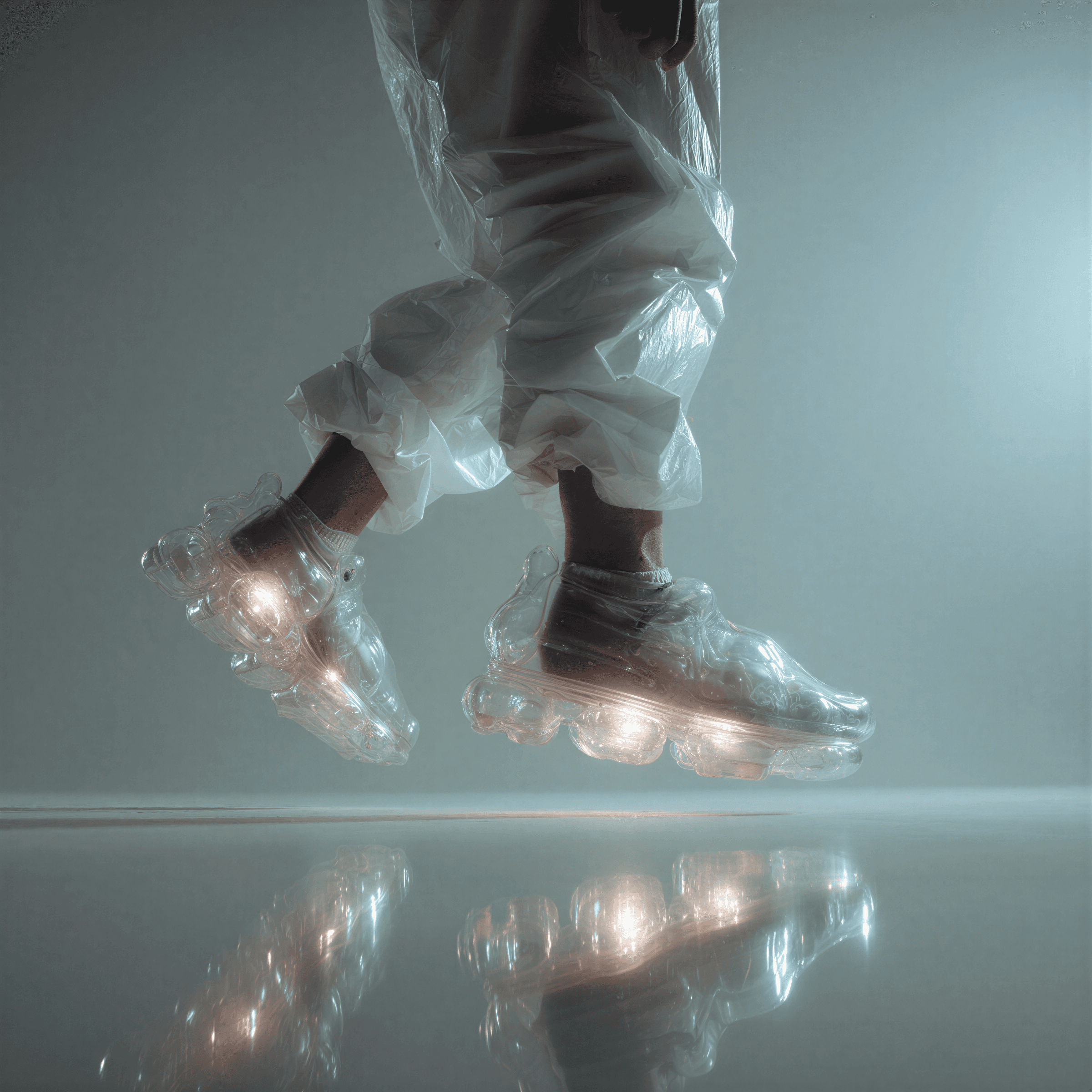
A New Language of Quiet Luxury

Jonas Berg
Strategy
Luxury has always been closely connected to visibility. For decades, brands communicated value through recognizable symbols, elaborate details, and unmistakable displays of status. But something is changing.
A new kind of luxury is emerging — one that feels quieter, more considered, and less interested in proving itself. It isn't defined by how much a brand can show, but by how carefully it chooses what to leave out.
Beyond the Obvious
Quiet luxury isn't simply a neutral color palette, a serif typeface, or an abundance of whitespace. These are visual expressions of a much broader idea: confidence without excess.
The most compelling examples tend to share a certain restraint. Materials are allowed to speak for themselves. Typography is deliberate. Photography feels observed rather than staged. Interfaces create space rather than filling every available pixel.
This restraint requires discipline. When there are fewer elements competing for attention, every decision becomes more visible. A slightly different typeface, an unusual proportion, or a subtle shift in tone can completely change how a brand is perceived.
For designers, this creates an interesting challenge. The goal isn't minimalism for its own sake. It's knowing which details deserve attention and which ones don't.
Designing for Longevity
The language of quiet luxury also reflects a broader shift in how people interact with brands. Trends move quickly, platforms change, and visual culture becomes increasingly saturated. In response, longevity becomes its own form of value.
A considered identity doesn't need to constantly reinvent itself to remain relevant. It creates a recognizable foundation that can evolve gradually. The same principle applies to digital experiences: thoughtful typography, intuitive interactions, strong imagery, and generous space can create a sense of quality without relying on spectacle.
There is also something inherently human about this approach. Quiet design asks people to slow down and notice. It creates an experience through proportion, texture, rhythm, and detail rather than immediate impact.
Perhaps that is the real appeal of quiet luxury. It isn't about looking expensive. It's about creating something with enough confidence that it doesn't need to announce its value.
In an increasingly loud visual culture, restraint can become its own kind of statement.